

The 1% Rule in Trading: Myth or Survival Strategy? 🧠💼
Originally published by Carrera Financiera. A complete and structured analysis for in-depth reading.
The 1% Rule: Myth or Survival in the Financial Abyss?
The 1% capital-per-trade rule is a mantra, a tablet of law etched in stone for every aspiring trader. It is presented as the ultimate shield against ruin, an unbreakable frontier between prudence and recklessness. But is this maxim as simple and universal as it is portrayed? Does it work the same for a high-frequency algorithm on an institutional desk as it does for an individual operating from home?
The disparity in the application and effectiveness of this rule is abysmal, reflecting the fundamentally different infrastructure, resources, and risk philosophy between these two worlds. This video is not just a comparison, but a forensic dive into the intricacies of risk management, to reveal why what seems like salvation for one can be a dangerous illusion for the other.
Today, we will dismantle the apparent simplicity of the 1% rule and expose the hidden complexities, biases, and asymmetric advantages that define true risk management in the financial elite versus the trenches of the individual investor. Are both playing the same game with the same rules? The answer, as you will see, is a resounding and concerning “no.”
Quantitative Foundations - The Anatomy of Risk and Institutional Capital
 Figure 1: Visual detail and technical analysis corresponding to Quantitative Foundations - The Anatomy of Risk and Institutional Capital.
For an institutional desk, the 1% rule is not an isolated guideline, but a cog in a much more sophisticated and multifaceted risk management machinery. Its origin is intertwined with concepts such as Value at Risk (VaR) and Expected Shortfall (ES), pillars for quantifying potential losses under specific market conditions and with a certain level of statistical confidence.
While VaR estimates the maximum expected loss over a given time horizon with a specific probability (e.g., 99% confidence), ES goes a step further, calculating the average loss beyond the VaR threshold. These are not mere numbers; they are the basis for capital allocation to each trading desk and each strategy.
A desk not only calculates risk per trade but also aggregated portfolio risk, liquidity risk, counterparty risk, and operational risk. The “1% rule” translates into much more nuanced exposure limits, such as the “Risk Budget” or “Capital at Risk” assigned to a trader or strategy, which can be dynamic and adjust to market volatility.
Institutional infrastructure includes dedicated teams of quants and risk analysts who build and validate predictive models, perform stress tests and extreme scenario analyses, simulating “black swan” events. This allows them to understand not only the probability of a loss but also the impact of low-probability, high-impact events.
Thus, if an individual trade exceeds 1% of the risk calculated by their advanced models under certain parameters, it’s not simply a “no,” but a re-evaluation of the correlation with the rest of the portfolio, the impact on regulatory capital, and the firm’s ability to absorb the loss in a global context. The 1% rule is, in essence, a starting point, not the final destination of their risk management.
The integration of the 1% rule in an institutional environment is a function of its ability to model risk multidimensionally, using complex algorithms and a vast amount of historical and real-time data. It is not a static rule, but an adaptable metric that adjusts to changing market conditions and the firm’s strategic objectives.
The Institutional Desk - Discipline, Infrastructure, and the Risk Ecosystem
 Figure 2: Visual detail and technical analysis corresponding to The Institutional Desk - Discipline, Infrastructure, and the Risk Ecosystem.
An institutional desk operates with an insurmountable structural advantage. Its risk management is not a personal choice, but a strictly implemented corporate policy monitored by multiple layers of supervision. Discipline is inherent in the system, not dependent on the individual trader’s will.
Every trader at an investment bank or hedge fund has pre-established risk limits, not only per trade but per day, week, and month, as well as VaR and exposure limits to different assets or sectors. These limits are monitored in real-time by automated systems and independent risk control teams.
Technological infrastructure is key. Order Management Systems (OMS) and Risk Management Systems (RMS) are interconnected, ensuring that no trade can be executed if it exceeds predefined risk limits. This prevents impulsive decisions and ensures adherence to the firm’s risk policy.
Furthermore, institutional desks have access to premium market data, cutting-edge quantitative analysis tools, and ultra-fast news feeds, allowing them to make informed decisions and react milliseconds in advance. This information is the oxygen of risk decision-making.
The institutional risk culture fosters collective responsibility. Losses are not just the trader’s, but the firm’s. This creates an incentive for collaboration and the use of collective expertise to mitigate risks. There is an approval process for large and complex operations, involving various management levels.
In this environment, the “1% rule” transforms into a sophisticated “risk tolerance” framework that considers the firm’s total capital, its regulatory obligations, its liquidity profile, and its ability to withstand significant losses without compromising its solvency. It is a long-term survival strategy, not just a per-trade tactic.
The Retail Trader - Emotion, Limited Tools, and the Trap of Self-Management
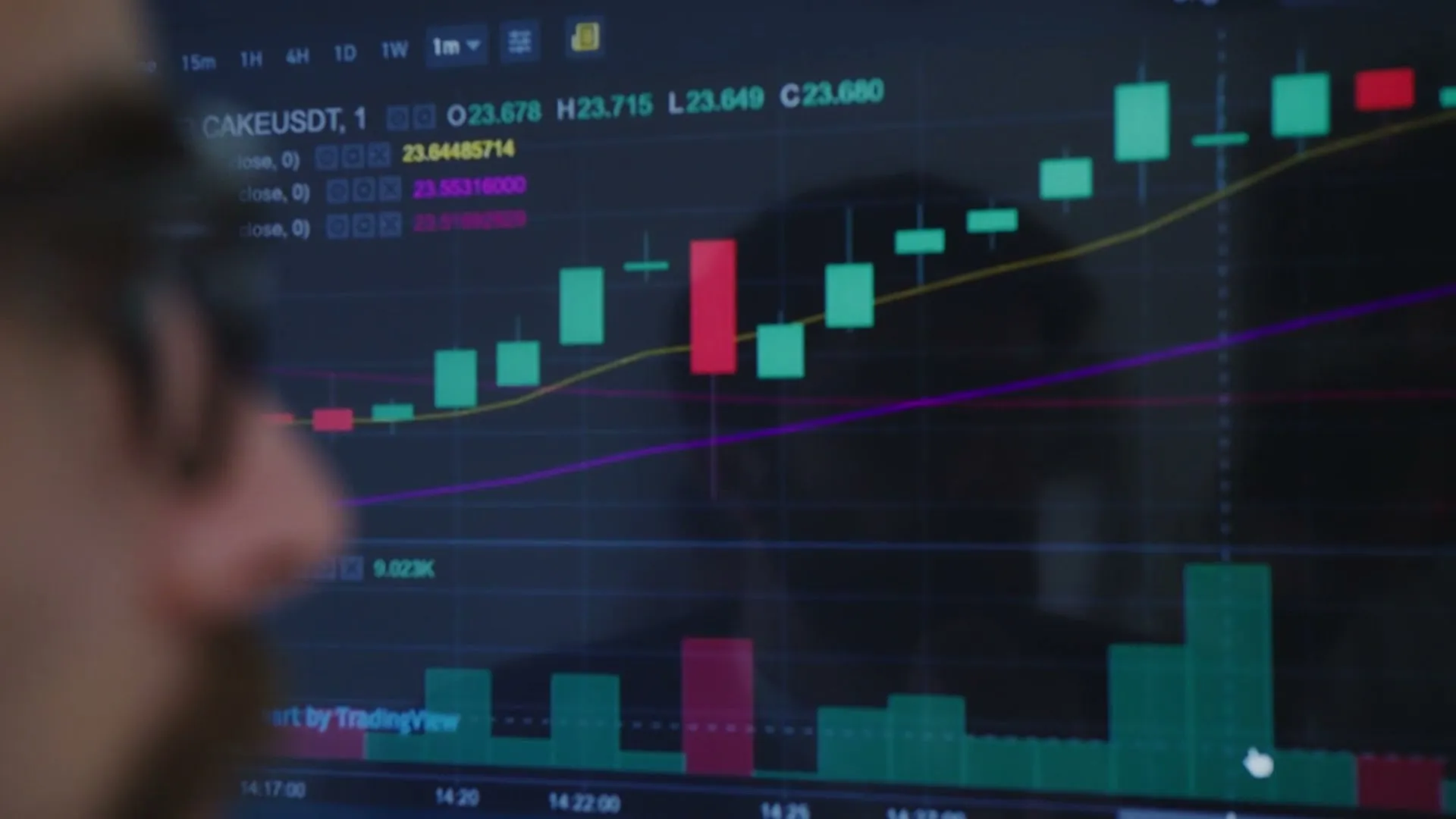 Figure 3: Visual detail and technical analysis corresponding to The Retail Trader - Emotion, Limited Tools, and the Trap of Self-Management.
In stark contrast, the retail trader often faces the market with limited resources and almost non-existent support infrastructure. The 1% rule here, while well-intentioned, becomes an extreme self-discipline challenge, fought alone against the relentless market forces and human psychology itself.
Many retail traders lack a deep understanding of the statistics and probability underlying risk management. The 1% rule is often applied simplistically: “don’t lose more than 1% of my capital per trade,” without considering position size, asset volatility, or correlation with other open trades.
The tools available to the individual trader are basic in comparison. Trading platforms with limited risk functionalities, no robust backtesting for their strategies, nor the ability to execute complex stress tests. Most of the time, risk management is reduced to placing a manual stop-loss, which can be vulnerable to slippage and extreme volatility.
Psychology plays a devastating role. The fear of losing and greed can lead a retail trader to move their stop-loss, over-leverage in pursuit of a quick recovery, or completely ignore the 1% rule after a series of losses or gains. Emotional decisions override logic.
Furthermore, a retail trader’s limited capital means that even a series of small 1% losses can quickly erode the account, especially if their trade success rate is low. They do not have the capital “cushion” that allows an institution to absorb prolonged periods of losses.
The lack of a support and supervision team means that the retail trader is their own analyst, their own risk manager, and their own psychologist. This burden, combined with market pressures, is a recipe for burnout and, in many cases, account bankruptcy.
Comparative Forensic Analysis - Disparity in Edge and Survival
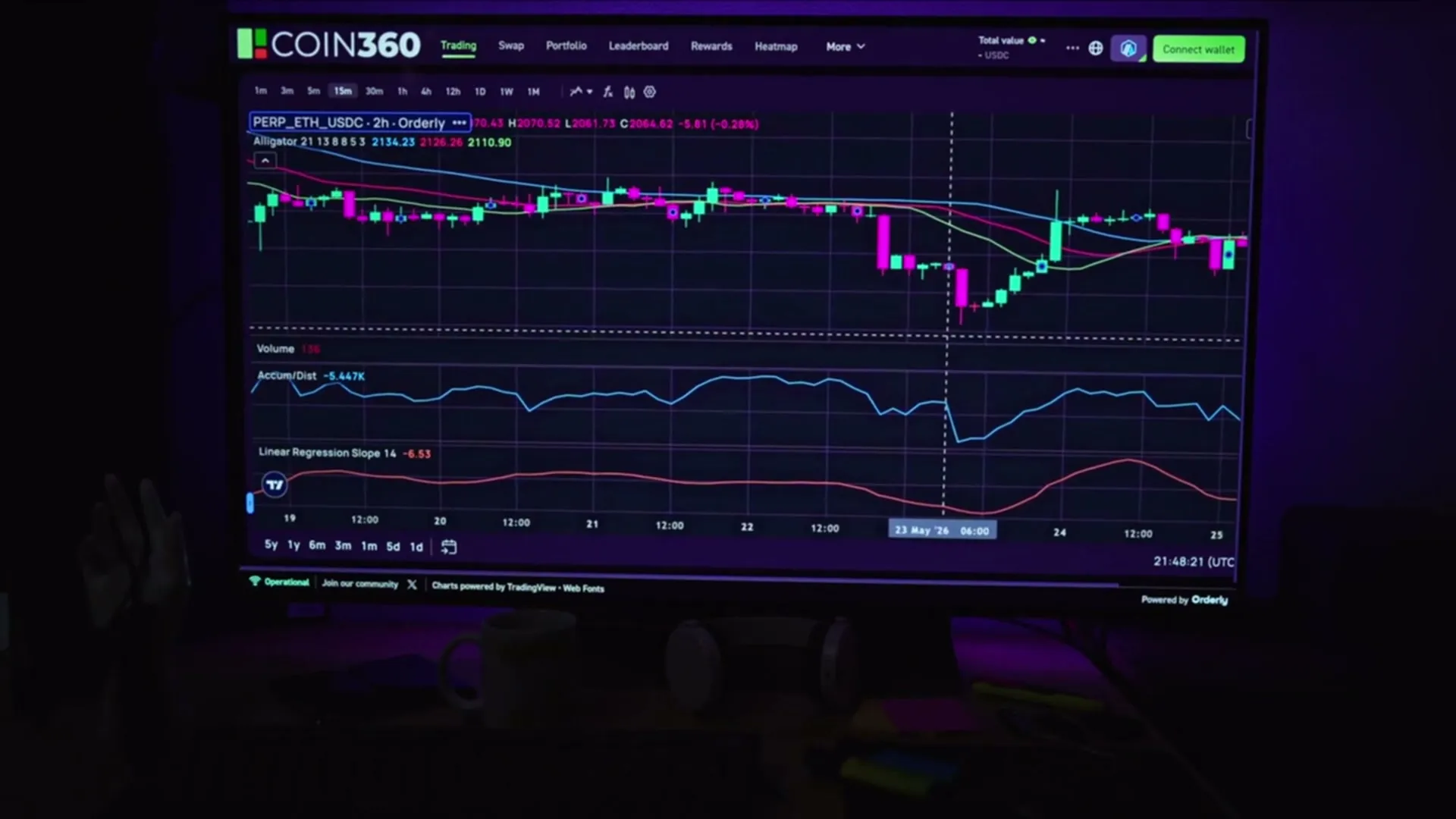 Figure 4: Visual detail and technical analysis corresponding to Comparative Forensic Analysis - Disparity in Edge and Survival.
The disparity in the application of the 1% rule is not just methodological; it is a matter of fundamental edge. The institutional desk not only manages risk more sophisticatedly but does so from a position of structural, technological, and capital advantage that the retail trader simply does not possess.
While 1% risk for a multi-billion dollar institution can mean the loss of millions of dollars, managed by a safety net of capital and hedging models, 1% for a retail trader with a 100 loss. A series of 10 consecutive losses, even with the 1% rule, reduces the account by almost 10%.
Institutional desks have access to unlimited liquidity and can execute large trades without significantly moving the market, or can even be market makers. The retail trader, on the other hand, may face liquidity issues, especially in less traded assets, affecting their entry and exit prices.
Diversification is another key. An institution can hold thousands of correlated and uncorrelated positions, distributing risk across different asset classes, geographies, and strategies. The retail trader often concentrates on a few assets, increasing idiosyncratic risk.
Access to privileged information (not illegal, but in-depth market information, elite broker analyses, first-hand macroeconomic insights) gives institutions a holistic view that the retail trader can only dream of. This allows them to anticipate movements and proactively adjust their risk exposure.
Ultimately, long-term survival in the market is a function of edge and risk management. The institutional desk, with its technological, capital, and human arsenal, turns the 1% rule into a component of a multifaceted survival strategy. For retail, it is a lifeline that, without the other components, is often not enough.
Redefining Risk for the Modern Trader
The 1% rule is not, by itself, a panacea. Its effectiveness is intrinsically linked to the context, infrastructure, and underlying risk philosophy. For the institutional desk, it is a starting point for complex and multidimensional risk management, backed by immense capital and cutting-edge technology.
For the retail trader, the lesson is clear: the simple numerical application of 1% is insufficient. It is fundamental to internalize that risk management goes far beyond a percentage. It involves understanding the real volatility of assets, the impact of leverage, the correlation of positions, and, crucially, one’s own psychology.
The verdict is that the retail trader must redefine their approach: not just seek to lose no more than 1%, but build their own edge. This means continuous education in statistics and probability, developing a rigorous trading plan with exhaustive backtesting, and iron discipline to adhere to risk limits.
Consider 1% not as a magic limit, but as a wake-up call to analyze how robust your exit strategy is, how well you understand your portfolio’s overall risk, and whether your capital is sufficient to withstand the inevitable losing streaks. It is a reminder that survival precedes profitability.
In a world where markets are increasingly dominated by algorithms and institutional capital, the individual trader must be smarter and more disciplined than ever. The 1% rule is a tool, not the complete strategy. Your true edge lies in your ability to adapt, learn, and manage risk with the same seriousness and depth as an institution would, but adapted to your own scale and resources.
⚖️ Legal Notice & Disclaimer (Financial Disclaimer):
The content presented in this article is for strictly educational, informational, and professional analysis purposes. The information contained herein does not constitute, under any circumstances, personalized financial advice, investment recommendation, or legal or tax advice. Any economic, educational, or investment decision you make is under your sole responsibility. Always consult a certified financial advisor or professional before committing capital.
📺 Watch the Video Analysis
If you prefer to consume this content in audiovisual format with detailed graphics and step-by-step explanations, we invite you to watch our video on YouTube:
-> ▶️ Watch the full video on YouTube
Interactive Brokers (IBKR)
La plataforma institucional de referencia para profesionales y gestores: acceso a más de 150 mercados globales, custodia regulada (SEC, FINRA, FCA) y comisiones ultrabajas en acciones, ETFs y futuros.
¿Prefieres el análisis en formato audiovisual?
We publish quantitative analysis, FinTech trends, and high-demand financial career skills every week.

About Equipo Carrera Financiera
Equipo editorial de Carrera Financiera dedicado a la investigación de mercados, modelos cuantitativos y habilidades profesionales de alto valor.
Artículos Relacionados
Ver todos ↗
🚨 Investment Banking: The HIDDEN COSTS That Are DESTROYING Your Capital
In the intricate world of investment banking and wealth management, a brutal, systematically silenced truth lurks: hidden costs devour your capital long before you see any gains. From deceptive management fees...

Quant Trader: $500K Salary or Brutal P&L? The Hidden Truth 📉💰
This video uncovers the often-glamorized world of quantitative trading, revealing the truth behind the supposed millionaire salaries and stratospheric bonuses in Wall Street and hedge funds. We analyze how P&L (Profit & Loss) isn't just a metric, but a brutal reality.