

Python for Finance: Automate Portfolios, Unlock +$50K Earnings 🚀🐍
Originally published by Carrera Financiera. Comprehensive and structured analysis for in-depth reading.
Python for Finance: Automate Your Portfolio Analysis in 30 Lines
Each year, financial analysts lose thousands of dollars in salary and opportunities by failing to automate. If you rely solely on Excel, you’re leaving over $50,000 annually on the table. Today, I’ll show you how Python can transform your career in just 30 lines of code.
The Quantitative Salary Gap: Why Python is the New Gold
 Figure 1: Visual detail and technical analysis corresponding to The Quantitative Salary Gap: Why Python is the New Gold.
The financial industry is undergoing a metamorphosis. The ability to program and automate tasks is no longer an advantage but a requirement. Analysts who only use Excel find themselves in an increasingly precarious position compared to those who master tools like Python, capable of processing massive data volumes and executing complex models.
This gap directly translates into compensation. A traditional financial analyst in developed markets might aspire to an average salary of 120,000. However, a quantitative analyst or model developer proficient in Python can easily exceed 250,000 or more in senior roles at hedge funds or algorithmic trading firms.
The market values efficiency, scalability, and the ability to derive predictive insights. Python offers all of this. It allows you to transition from hours of manual data manipulation to seconds of automated execution, freeing up time for strategic analysis and decision-making, not just data entry.
This skill not only elevates your salary but also positions you at the top tier of the talent pyramid. It makes you an indispensable asset, capable of building tools, optimizing processes, and generating value in ways an analyst without these competencies simply cannot. It’s the difference between being a data operator and a financial information architect.
If you seek to master the tools and models that separate junior analysts from elite salaries, subscribe to the channel: each week we break down quantitative strategies and high-level finance.
From Excel Analyst to Algorithmic Elite: Your Professional Ascent
 Figure 2: Visual detail and technical analysis corresponding to From Excel Analyst to Algorithmic Elite: Your Professional Ascent.
The path from an Excel-proficient analyst to an elite quantitative finance professional is a logical, albeit demanding, progression. The first step is to recognize that Excel, while powerful for specific tasks, becomes a bottleneck for the granularity and speed demanded by today’s markets.
The transition involves acquiring a new set of tools and, more importantly, a new mindset. Python is not just a programming language; it’s a gateway to specialized libraries like Pandas for data manipulation, NumPy for high-performance numerical computation, and scikit-learn for machine learning.
Mastering these libraries allows you to move from static analyses to dynamic models, from manual data review to the automation of entire workflows. Imagine not having to manually download data from Bloomberg or Refinitiv, but instead having a script do it for you every morning, process the information, and generate a personalized report.
This professional ascent is measured not only in salary but also in the type of problems you can solve. Elite roles in quantitative finance focus on building and validating predictive models, portfolio optimization, algorithmic risk management, and developing high-frequency trading strategies.
The ability to communicate and justify these models, not just build them, is what separates engineers from strategic leaders. Python is the tool; a deep understanding of markets and economics is the context that gives it power.
Case Study: Automating Portfolio Analysis (The Game-Changing Code)
 Figure 3: Visual detail and technical analysis corresponding to Case Study: Automating Portfolio Analysis (The Game-Changing Code).
Let’s get concrete. In just 30 lines of code, we can automate a portfolio analysis that would manually take hours and be prone to errors. Our goal will be to calculate the return, volatility, and Sharpe ratio of a stock portfolio.
First, we need historical data. With the yfinance library, we can download stock prices directly from Yahoo Finance with a single line of code. Forget manual CSVs. Then, Pandas allows us to efficiently manipulate this data, calculating daily returns.
Once we have individual returns, NumPy comes into play for matrix calculations. We can define our portfolio’s weights and calculate the daily return of the entire portfolio, as well as its volatility, using incredibly fast vectorized operations.
Finally, with a few more lines, we calculate the Sharpe ratio, a key metric for evaluating risk-adjusted return. We can even visualize these results with libraries like Matplotlib or Seaborn, creating professional charts in seconds.
This is just a basic example. But the key is that this script can be scaled. You can add more assets, change periods, incorporate risk factors, or even perform portfolio optimizations, all with the same foundation and without manual intervention. The efficiency is drastic; the analytical capacity, exponential.
Beyond Portfolio Analysis: Advanced Strategies and Skill Monetization
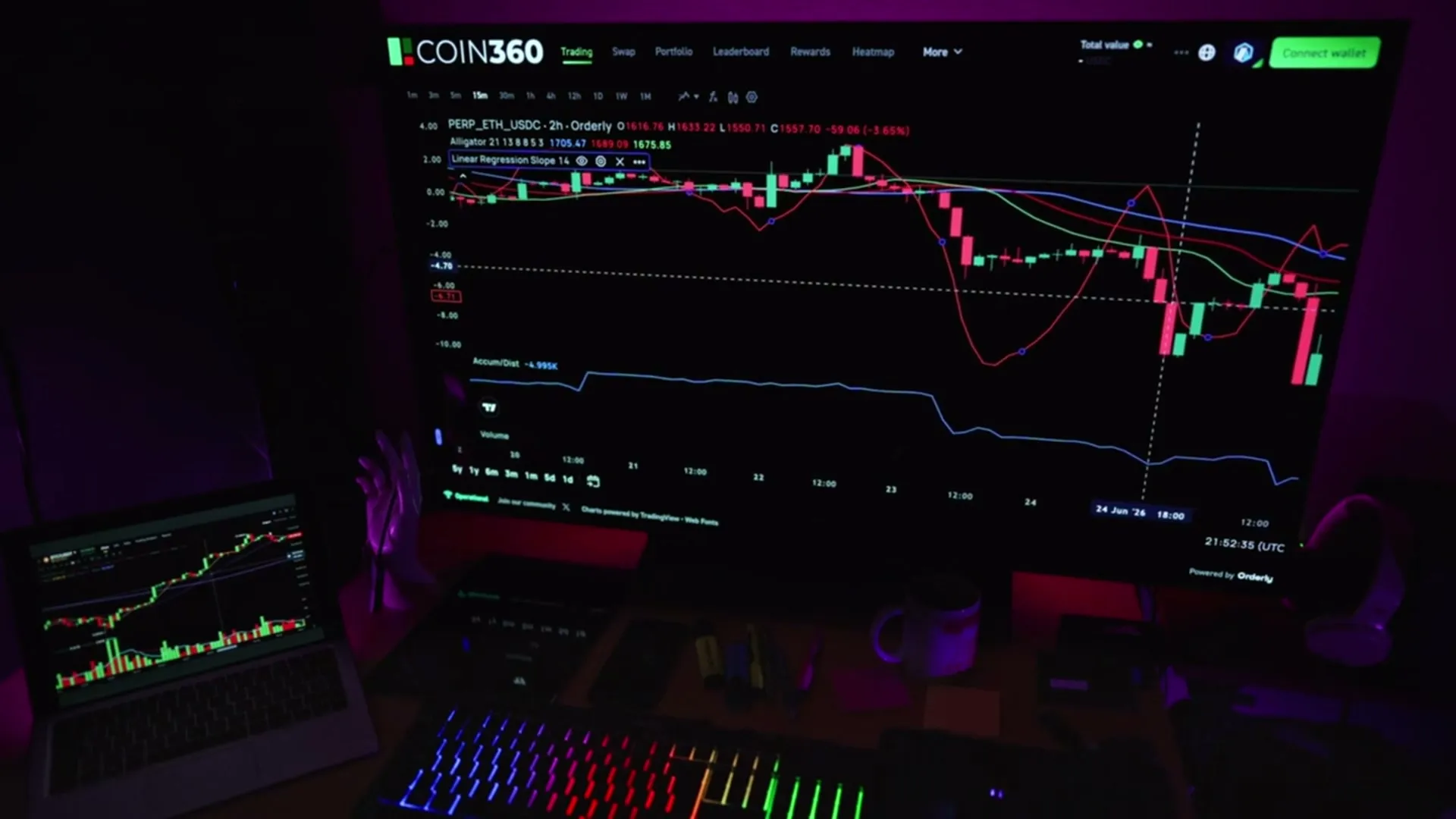 Figure 4: Visual detail and technical analysis corresponding to Beyond Portfolio Analysis: Advanced Strategies and Skill Monetization.
Portfolio automation is just the tip of the iceberg. With Python, doors open to much more sophisticated strategies. Backtesting, for example, allows you to simulate how an investment strategy would have performed with historical data, evaluating its profitability and risk before deploying real capital.
Risk management becomes proactive. You can build Value at Risk (VaR) models, Conditional VaR (CVaR), or simulate stress scenarios to understand your portfolio’s exposure to extreme events. This is crucial for survival in volatile markets.
Python skills for finance are highly monetizable. Not only in quantitative analyst roles but also as a model developer, machine learning engineer in fintech, or even as a portfolio manager utilizing their own algorithmic arsenal.
High-frequency trading firms pay astronomical salaries to professionals who can optimize microseconds in order execution. Hedge funds seek talent capable of uncovering hidden patterns in massive data to generate alpha. Fintech startups need engineers to build the platforms of the future.
Your value lies not only in your financial knowledge but in your ability to encode that knowledge into systems that operate 24/7. This allows you to create your own tools, your own models, and ultimately, your own competitive advantage in a market that rewards innovation and algorithmic efficiency.
Your Roadmap to Mastering Python in Finance: Verdict and Strategic Lesson
The verdict is clear: Python is the de facto language for modern finance and an indispensable skill for any professional aspiring to the industry’s elite. Ignoring it is to condemn oneself to a salary glass ceiling and accelerated professional obsolescence.
Your roadmap must be pragmatic. Start with Python fundamentals: variables, data structures, functions, and classes. Then, dive into the essential libraries: Pandas, NumPy, Matplotlib, and Seaborn for data manipulation and visualization.
Next, apply this knowledge to real financial problems. Use yfinance or broker APIs to obtain data. Build your own portfolio analysis script, like the one we’ve outlined. Experiment with simple backtesting. Don’t be afraid to make mistakes; they are part of the learning process.
Seek out online communities, participate in forums, and consider personal projects or “side projects” that demonstrate your skills. Practical experience is what will truly open doors for you. A portfolio of projects on GitHub is worth more than a thousand theoretical certifications.
The strategic lesson is that the future of finance is programmable. Those who master the ability to translate financial ideas into executable code will be the architects of the next generation of markets. It’s not just about analysis; it’s about construction. Invest in Python, invest in your financial future.
⚖️ Legal Notice & Disclaimer (Financial Disclaimer):
The content presented in this article is for strictly educational, training, and professional analysis purposes. The information contained herein does not, under any circumstances, constitute personalized financial advice, investment recommendations, or legal or tax advice. Any economic, training, or investment decision you make is under your sole responsibility. Always consult a certified financial advisor or professional before committing capital.
📺 Watch the Video Analysis
If you prefer to consume this content in audiovisual format with detailed graphics and step-by-step explanations, we invite you to watch our video on YouTube:
-> ▶️ Watch the full video on YouTube
Interactive Brokers (IBKR)
La plataforma institucional de referencia para profesionales y gestores: acceso a más de 150 mercados globales, custodia regulada (SEC, FINRA, FCA) y comisiones ultrabajas en acciones, ETFs y futuros.
¿Prefieres el análisis en formato audiovisual?
We publish quantitative analysis, FinTech trends, and high-demand financial career skills every week.

About Equipo Carrera Financiera
Equipo editorial de Carrera Financiera dedicado a la investigación de mercados, modelos cuantitativos y habilidades profesionales de alto valor.
Artículos Relacionados
Ver todos ↗
Quant Trader: $500K Salary or Brutal P&L? The Hidden Truth 📉💰
This video uncovers the often-glamorized world of quantitative trading, revealing the truth behind the supposed millionaire salaries and stratospheric bonuses in Wall Street and hedge funds. We analyze how P&L (Profit & Loss) isn't just a metric, but a brutal reality.

🚨 Investment Banking: The HIDDEN COSTS That Are DESTROYING Your Capital
In the intricate world of investment banking and wealth management, a brutal, systematically silenced truth lurks: hidden costs devour your capital long before you see any gains. From deceptive management fees...