

Quant Trader: $500K Salary or Brutal P&L? The Hidden Truth 📉💰
Originally published by Carrera Financiera. Comprehensive and structured analysis for in-depth reading.
The REAL Salary of a Quant Trader: MYTH or MILLIONS? The P&L TRUTH Nobody Shows You
The quantitative trader promises a direct path to millions, but reality conceals a brutal P&L. This video reveals the figures and risks nobody tells you about, and offers a proven route to sustainable wealth.
The Illusion of Quant Salary: Beyond the Headlines
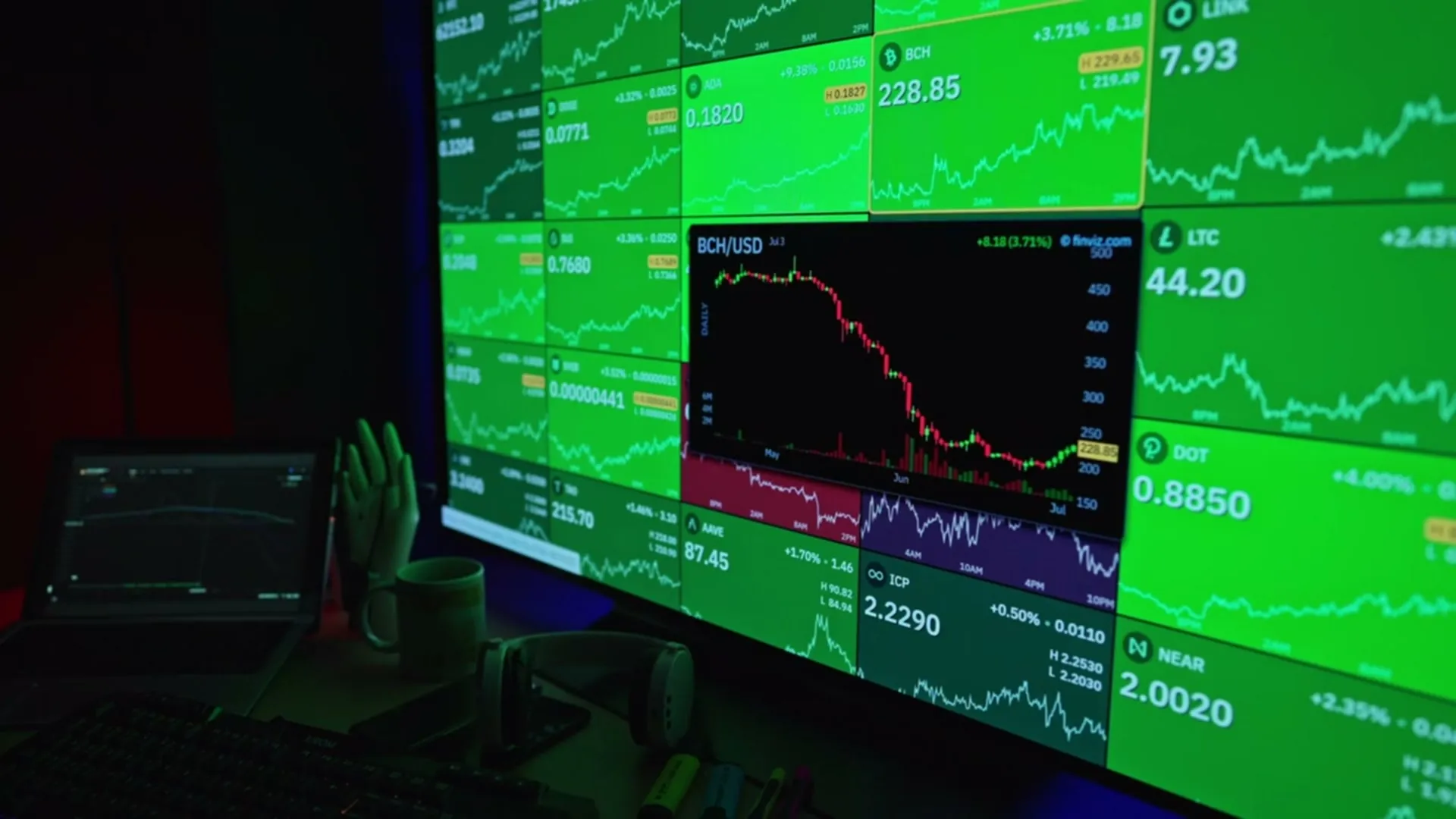 Figure 1: Visual detail and technical analysis corresponding to The Illusion of Quant Salary: Beyond the Headlines.
The fascination with quantitative trading is undeniable. Job offers speak of base salaries exceeding 500,000 or even more for experienced professionals in high-performance hedge funds. This promise of quick wealth attracts the brightest minds in mathematics, statistics, and computer science.
However, these headlines omit the uncomfortable truth. A quant trader’s salary is not a static figure, but a direct function of their P&L (Profit & Loss). While the earning potential is astronomical, so is the pressure and inherent volatility of the role. It’s not just a salary; it’s a contract of constant performance under scrutiny.
The industry is rife with stories of meteoric success, but also of silent failures. One trader might generate 5,000,000 and find themselves out of the firm in a matter of months. There is no emotional or financial safety net when your worth is measured by the last tick.
The market is unforgiving. A strategy that worked for years can collapse in weeks, dragging down not only the firm’s P&L but also the careers and well-being of the traders involved. Variable compensation means that a “bad” year can drastically reduce income, despite the investment of time and effort.
The reality is that, for most, the life of a quant trader is a marathon of high stress and uncertain returns. High turnover is the norm, not the exception. Only a minuscule percentage manages to sustain long-term success, those with a unique combination of intellect, resilience, and impeccable risk management.
If you want to master the tools and models that separate junior analysts from elite salaries, subscribe to the channel: every week we break down quantitative strategies and high-level finance.
The Hidden P&L: Risk, Stress, and the Steep Learning Curve
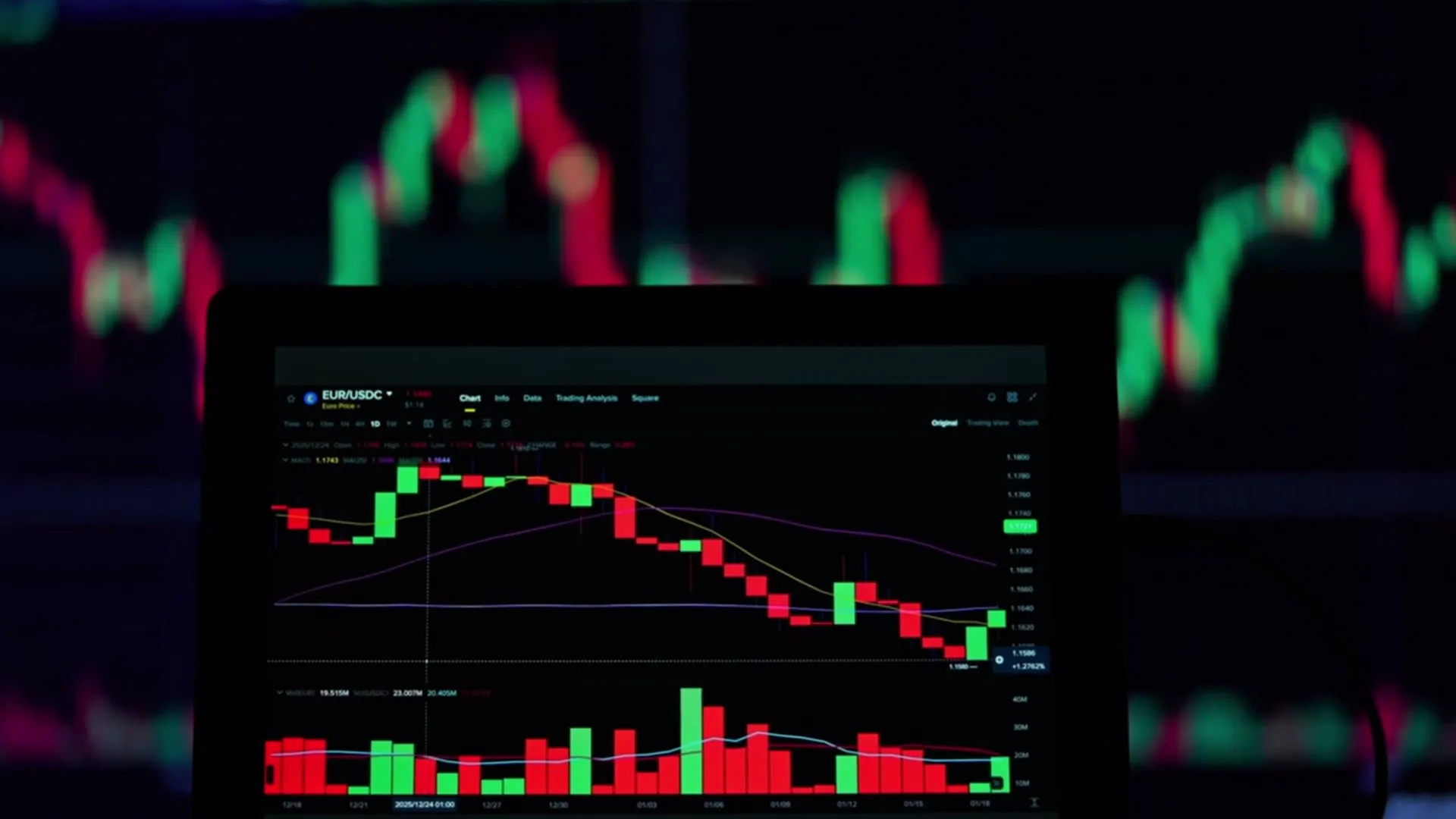 Figure 2: Visual detail and technical analysis corresponding to The Hidden P&L: Risk, Stress, and the Steep Learning Curve.
P&L is not just a financial metric; it’s a daily verdict on your performance. Quantitative trading firms operate on tight profit margins, and every decision, every line of code, every model, translates directly into gains or losses. Consistent negative P&L is a fast track to contract termination.
The psychological pressure is immense. Quant traders not only compete against the market but also against other traders, often within the same firm. Every day is an exam, where the outcome of your work is quantified in dollars and cents. Chronic stress can lead to burnout and affect decision-making.
In addition to gross P&L, compensation is adjusted by risk metrics. A trader who generates 800,000 with controlled risk and a Sharpe Ratio above 2.0. It’s not just how much you earn, but how you earn it.
The learning curve is brutally steep. A recent graduate can take years to develop the intuition and experience needed to consistently operate in complex markets. During this period, P&L can be erratic, and the firm’s patience, limited. Many do not overcome this initial phase.
Risk management is the cornerstone of any successful quantitative strategy. However, even the most sophisticated models can fail in the face of “black swan” events or unexpected structural changes in the market. Negative P&L can appear at any time, regardless of the model’s robustness.
Contrary to the promise of explosive returns, most retail and professional investors find a more reliable path to wealth through passive, low-cost, and diversified strategies. Consistency and risk minimization, in the long run, outweigh the pursuit of ephemeral gains.
Beyond Trading: Quantitative Skills for Sustainable Wealth
 Figure 3: Visual detail and technical analysis corresponding to Beyond Trading: Quantitative Skills for Sustainable Wealth.
Quantitative skills, while central to high-frequency trading, hold immense value beyond short-term speculation. The ability to analyze data, model scenarios, understand statistics, and manage risk are fundamental pillars for long-term wealth building and intelligent asset management.
Consider the Bogleheads approach. Inspired by John Bogle, founder of Vanguard, this philosophy advocates investing in low-cost, globally diversified index funds. It doesn’t seek to “beat the market” but to capture its long-term performance. Here, quantitative skills are applied to understand diversification, asset correlation, and tax efficiency.
A quantitatively minded investor can build an “All-Weather” portfolio, like those popularized by Ray Dalio, tailored to their own needs. This involves understanding asset allocation that performs well in different macroeconomic environments: inflation, deflation, growth, recession.
Portfolio optimization is not exclusive to hedge funds. With tools like Python and libraries such as PyPortfolioOpt, any investor can build a portfolio that maximizes return for a given risk level or minimizes risk for a target return. This is a direct application of quantitative science to personal wealth.
Cost management is another area where a quantitative mindset shines. Small percentages in commissions or TER (Total Expense Ratio) of funds can significantly erode returns over decades. A quantitative analysis demonstrates how choosing low-cost index funds can add hundreds of thousands of dollars to final wealth.
Compound interest, the “eighth wonder of the world” according to Einstein, is the engine of passive wealth. Quantitative skills allow modeling the impact of different savings rates, returns, and time horizons, mathematically demonstrating how small investment decisions today translate into substantial wealth tomorrow.
The Architecture of Passive Wealth: Index Funds and Tax Optimization
 Figure 4: Visual detail and technical analysis corresponding to The Architecture of Passive Wealth: Index Funds and Tax Optimization.
The cornerstone of passive wealth is investing in low-cost index funds. These vehicles replicate the performance of a market index, such as the S&P 500 or the MSCI World, without attempting to outperform it. Their advantage lies in instant diversification and minimal fees, which do not penalize compound interest.
A quantitative approach helps us select the most efficient ETFs. It’s not just about the index, but about replication (physical or synthetic), tracking error, liquidity, and trading currency. Rigorous analysis can identify the best vehicles for each component of a diversified portfolio.
Building an “All-Weather” portfolio requires a quantitative understanding of asset correlations. For example, in an inflationary environment, gold and commodities tend to perform well, while in a recession, long-term bonds can offer refuge. Balancing these assets creates resilience.
Tax optimization is as crucial as asset selection. Utilizing tax-advantaged investment vehicles, such as pension plans or retirement savings accounts, allows capital to grow tax-free or tax-deferred. Quantitative skills help model the impact of these advantages over time.
Portfolio rebalancing is a key quantitative strategy. When an asset becomes overvalued, part of it is sold to buy the asset that has been undervalued, thus maintaining the target asset allocation. This disciplined process captures gains and reduces concentration risk.
Instead of chasing the next “big trade,” the quantitative mindset for passive wealth focuses on consistency, discipline, and minimizing friction (costs and taxes). It’s a game of patience and mathematics, not adrenaline and speculation.
The True Game of Wealth Building and the Strategic Verdict
We have broken down the reality behind the glamorous world of the quantitative trader. While the income potential is undeniable, it comes with extreme pressure, high P&L volatility, and a learning curve that many fail to overcome. The pursuit of “millions” through active trading is, for most, a chimera that consumes energy and capital.
The true game of wealth building, sustainable wealth creation, and financial freedom does not lie in daily speculation, but in the intelligent application of quantitative principles to long-term investing. Discipline, diversification, tax optimization, and the power of compound interest are the true tools for accumulating millions.
The strategic verdict is clear: if you aspire to a quant trader’s salary, prepare for a path of high risk and high reward, where P&L is your judge and executioner. But if your goal is lasting wealth and financial peace of mind, use your quantitative skills to build a passive, diversified, and tax-efficient portfolio.
The promise of “millions” is not a myth, but the most reliable route is not through the adrenaline of trading, but through the patience and wisdom of indexed investing. This is the P&L truth nobody shows you, because silent, consistent success rarely sells headlines, but always builds fortunes.
⚖️ Legal Notice & Disclaimer (Financial Disclaimer):
The content presented in this article is strictly for educational, informational, and professional analysis purposes. The information contained herein does not, under any circumstances, constitute personalized financial advice, investment recommendations, or legal or tax advice. Any economic, training, or investment decisions you make are solely your responsibility. Always consult a certified financial advisor or professional before committing capital.
📺 Watch the video analysis
If you prefer to consume this content in audiovisual format with detailed graphics and step-by-step explanations, we invite you to watch our video on YouTube:
-> ▶️ Watch the full video on YouTube
Interactive Brokers (IBKR)
La plataforma institucional de referencia para profesionales y gestores: acceso a más de 150 mercados globales, custodia regulada (SEC, FINRA, FCA) y comisiones ultrabajas en acciones, ETFs y futuros.
¿Prefieres el análisis en formato audiovisual?
We publish quantitative analysis, FinTech trends, and high-demand financial career skills every week.

About Equipo Carrera Financiera
Equipo editorial de Carrera Financiera dedicado a la investigación de mercados, modelos cuantitativos y habilidades profesionales de alto valor.
Artículos Relacionados
Ver todos ↗
Python for Finance: Automate Portfolios, Unlock +$50K Earnings 🚀🐍
The finance industry demands efficiency and advanced analytical capabilities more than ever. Are you still shackled to Excel spreadsheets, limiting your potential and salary? This video reveals how Python has become the indispensable tool for financial analysts.

The 1% Rule in Trading: Myth or Survival Strategy? 🧠💼
The 1% capital-per-trade rule is a cornerstone of trading risk management, but is it truly the universal salvation many believe? In this forensic analysis, we dismantle its application, contrasting the sophisticated institutional approach with the retail trader's reality.